
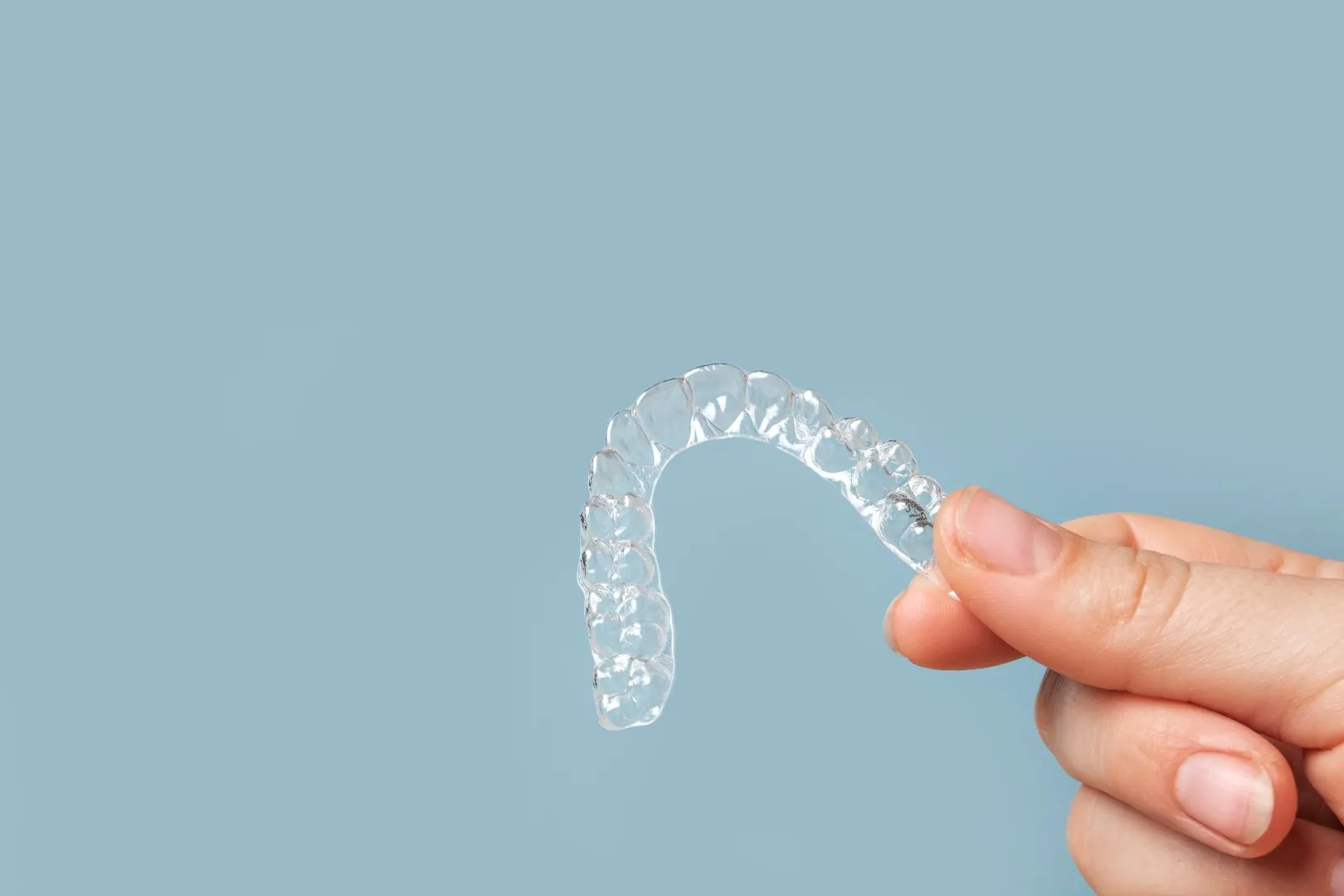
Invisalign typically costs between $3,500 and $8,000, with most patients paying $4,500 to $6,500 for full treatment. Your final price depends on case complexity, treatment length, and your orthodontist's experience. The good news? Insurance coverage and 0% financing options can make Invisalign more affordable than you might expect.
If you've been researching Invisalign, you're probably wondering whether it fits your budget. Let's break down exactly what influences the cost and how families are making it work.
What Is Invisalign?
Invisalign uses a series of clear, removable aligners to gradually shift your teeth into their ideal positions. Unlike braces with metal brackets and wires, these aligners are made from medical-grade SmartTrack thermoplastic. They're virtually invisible when you wear them.
Here's how the technology works: your orthodontist takes 3D digital scans of your teeth (no goopy impressions needed). From those scans, a custom treatment plan maps out every tiny movement your teeth will make. You'll even see a digital preview of your final smile before you start.
Each set of aligners is precision-crafted to apply gentle pressure to specific teeth. You wear them 20 to 22 hours per day, removing them only for eating, drinking anything besides water, and brushing. Every one to two weeks, you switch to a new set as your teeth progress toward their final positions.
Invisalign is FDA-approved and has straightened over 14 million smiles worldwide, according to Align Technology. It treats everything from minor spacing concerns to more complex bite corrections.
How Does Invisalign Treatment Work?
Most Invisalign treatments take 12 to 18 months and follow a six-step path from your first scan to your final retainer. Your experience starts with a free consult. During this visit, your orthodontist examines your teeth, discusses your goals, and determines whether Invisalign is right for your specific situation.
The treatment process looks like this:
- Digital scanning: A quick 3D scan captures every detail of your teeth and bite
- Custom treatment planning: Your orthodontist designs your smile and shows you the projected results
- Aligner fabrication: Your complete set of aligners is manufactured and shipped to the practice
- Regular progress checks: You'll visit the practice every six to eight weeks so your orthodontist can monitor your progress
- Refinements if needed: Some cases require additional aligners to perfect the final result
- Retainer phase: After treatment, you'll wear retainers to keep your new smile in place
Most treatment plans run 12 to 18 months, though simpler cases can finish in as few as six months. More complex corrections may take 24 months or longer. Practices like Davis & Goldberg Orthodontics walk you through each step before you commit.
Benefits of Choosing Invisalign
Invisalign has become a top choice for adults and teens who want a low-profile path to a straighter smile. Here's what makes it stand out:
Why Is Invisalign Less Visible Than Braces?
Most people won't notice you're wearing them, even up close. The smooth, clear plastic blends in against your teeth. This matters for adults in professional settings and teens who want to feel confident at school.
How Does Invisalign Fit a Busy Lifestyle?
Take them out for meals, photos, sports, or special occasions. No food restrictions like you'd have with braces. Smooth plastic also means no metal brackets irritating your cheeks or wires poking your gums, so daily wear feels natural pretty quickly.
Is Oral Hygiene Easier With Invisalign?
Brush and floss normally. No threading floss under wires or using special tools to clean around brackets. Keeping your teeth and gums healthy during treatment is much simpler.
What About Practice Visits and Previews?
Check-ins happen every six to eight weeks instead of monthly adjustments. You can also see exactly how your smile will look before committing to treatment. For busy families, the convenience factor alone makes Invisalign worth a close look, and practices like Davis & Goldberg Orthodontics build their schedules around making each visit quick.
Invisalign vs. Braces: Cost Comparison
One of the most common questions we hear: "Is Invisalign more expensive than braces?" The answer might surprise you.
| Treatment Type | Typical Cost Range | Treatment Time |
|---|---|---|
| Metal Braces | $3,000 to $7,000 | 18-24 months |
| Ceramic (Clear) Braces | $4,000 to $8,000 | 18-24 months |
| Invisalign | $3,500 to $8,000 | 12-18 months |
The cost gap between Invisalign and braces has narrowed significantly over the past decade. In many cases, they're priced similarly. Your orthodontist can give you exact quotes for both options during your free consult.
When comparing, think beyond the price tag. Consider:
- How visible do you want your treatment to be?
- How important is eating without restrictions?
- Do you have the discipline to wear aligners 20+ hours daily?
- What's your timeline for completing treatment?
Both options can move your teeth into a healthy, straight position when your orthodontist tailors the plan to your bite and lifestyle.
What Affects Invisalign Cost?
Six main factors shape what you'll pay for Invisalign: case complexity, treatment duration, the Invisalign product tier, your orthodontist's experience, any added treatments like attachments or refinements, and your geographic area. Together, these explain why two patients can see very different quotes for what looks like similar treatment.
Case complexity: Minor spacing or crowding costs less than correcting a larger overbite, underbite, or crossbite. Simple cases might need only 10 to 15 aligners, while complex cases require 30 or more.
Treatment duration: A six-month treatment plan uses fewer aligners and requires fewer practice visits than a two-year plan.
Invisalign product tier: Align Technology offers different packages:
- Invisalign Express (up to 7 aligners): minor touch-ups
- Invisalign Lite (up to 14 aligners): mild cases
- Invisalign Moderate (up to 20 aligners): moderate complexity
- Invisalign Full (unlimited aligners): full treatment
Orthodontist experience: Providers with more Invisalign experience often achieve better results. Practices that treat a high volume of Invisalign cases each year tend to handle a wider range of complexity confidently.
Additional treatments: Some patients need attachments (small tooth-colored bumps that help aligners grip), elastics, or refinement aligners. These are typically included in full treatment plans.
Geographic location: Costs vary by region. Smaller metro areas tend to have more competitive pricing than larger cities.
Payment Plans, Insurance, and Financing Options
Here's where the math gets friendlier. Most families don't pay the full Invisalign cost upfront.
Orthodontic insurance coverage: If your plan includes orthodontic benefits, expect coverage of $1,000 to $3,000 toward Invisalign. Many plans cover Invisalign the same as braces. Check with your insurance provider or ask during your free consult.
FSA and HSA accounts: Flexible spending and health savings accounts can be used for Invisalign. This lets you pay with pre-tax dollars, effectively giving you a savings equal to your tax rate.
0% financing: Many orthodontic practices, including Davis & Goldberg Orthodontics, offer interest-free monthly payment plans. This spreads your cost over the length of treatment with no added fees.
Third-party financing: Options like CareCredit and OrthoFi offer extended payment plans. Some include promotional periods with no interest.
Payment calculators: Before your visit, use online tools to estimate monthly payments based on different down payment amounts and term lengths.
The best way to understand your actual out-of-pocket cost? Schedule a free consult. You'll get a personalized quote that factors in your insurance benefits and available financing.
Frequently Asked Questions About Invisalign Cost
Who Is a Good Candidate for Invisalign?
Most teens and adults with mild to moderate crowding, spacing, or bite concerns are good candidates for Invisalign. Strong candidates can commit to wearing aligners 20 to 22 hours per day and keep up with regular practice visits. Your orthodontist can confirm candidacy after a quick exam and digital scan.
How Long Does Invisalign Treatment Take?
Most Invisalign plans take 12 to 18 months from your first set of aligners to your last. Minor corrections can wrap up in six months, while more involved bite work may take 24 months or longer. Wearing your aligners the recommended hours each day is the biggest factor in finishing on time.
Does Insurance Cover Invisalign?
Many dental and orthodontic insurance plans cover Invisalign at the same rate as braces, typically $1,000 to $3,000 in lifetime orthodontic benefits. Coverage depends on your specific plan and age limits. Calling your insurer or asking the practice to verify benefits during your free consult is the fastest way to know what's covered.
Does Invisalign Hurt?
Invisalign is generally more comfortable than braces because there are no brackets or wires. You may feel mild pressure or tenderness for a day or two each time you switch to a new set of aligners. That feeling means your teeth are moving as planned, and it usually fades quickly.
Can I Pay for Invisalign in Monthly Installments?
Yes. Most practices offer 0% financing that spreads your total cost across the length of treatment with no interest. Third-party options like CareCredit and OrthoFi can extend payments even further. Combining insurance benefits, FSA or HSA funds, and a monthly plan keeps Invisalign affordable for most families.
Is Invisalign Worth the Cost?
For most patients, yes. Invisalign offers a low-profile look, removable convenience, easier brushing and flossing, and fewer practice visits than braces. When the price is similar to braces and the daily experience is more comfortable, many patients feel the value is well worth it.