
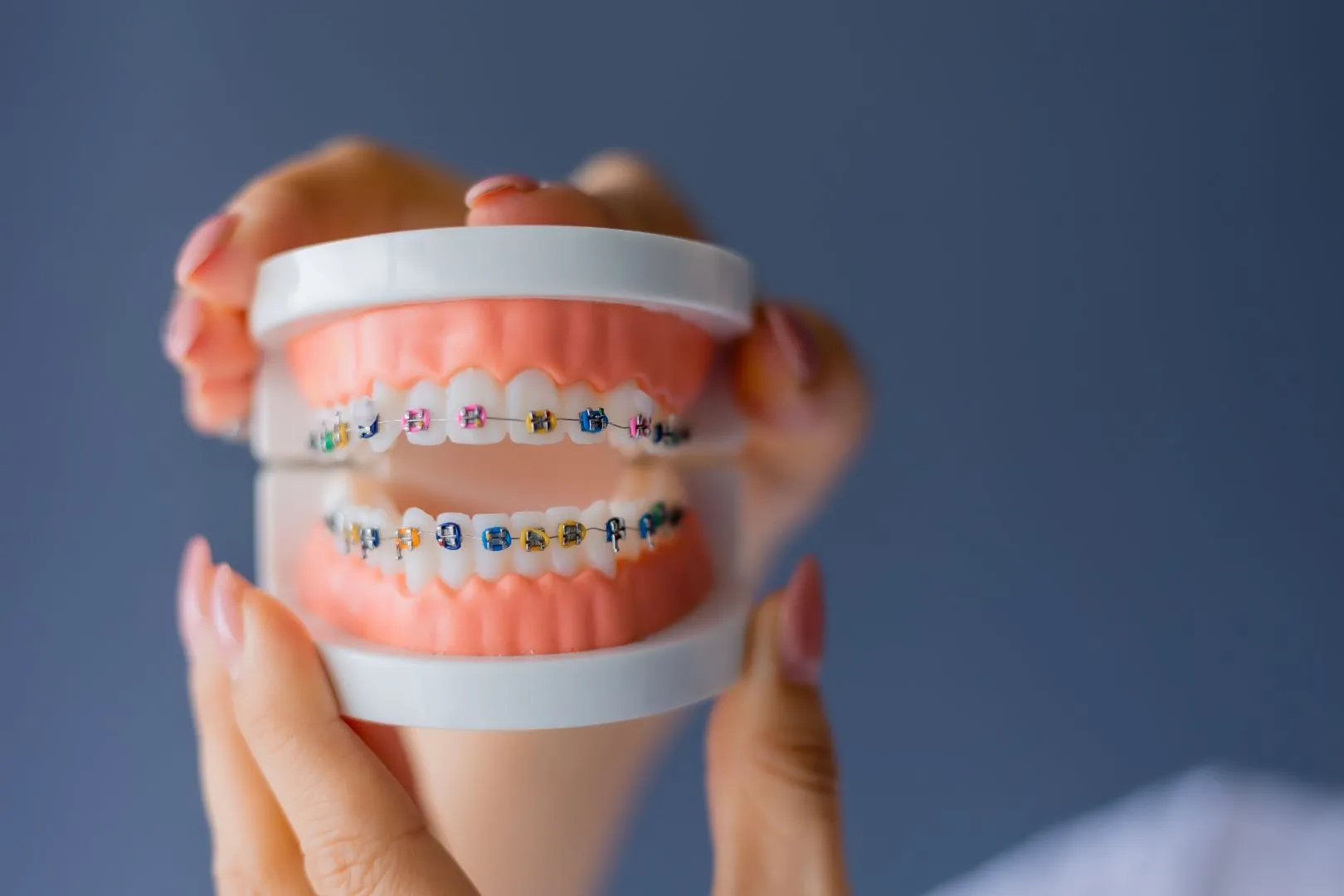
Spacers and separators are both small devices placed between teeth before braces go on, and the terms actually describe the same step in treatment — most orthodontic offices use them interchangeably. Their job is to gently push your back teeth apart just enough to create room for the metal bands that anchor your braces, and wearing them for a few days beforehand is a completely normal, temporary part of getting started.
What Exactly Are Separators?
Separators are small rubber rings or, less commonly, thin metal springs that your orthodontist fits snugly between your back molars about a week before your braces appointment. Teeth naturally sit close together, and the bands used to anchor braces to the molars need a small amount of extra space to fit around each tooth without pinching. Separators create that space gradually and painlessly over several days, rather than trying to force a band into a spot that isn’t ready for it.
What Does It Feel Like?
Most patients feel some pressure for the first day or two, similar to having something stuck between your teeth, and the area can be a little tender when biting down on firmer foods. This discomfort is temporary and typically fades within two to three days as the teeth shift apart slightly. Over-the-counter pain relief and sticking to softer foods for those first couple of days usually takes care of it.
Tips for the Separator Stage
- Stick to softer foods for the first day or two — think pasta, yogurt, and smoothies
- Avoid flossing directly around the separator, since it’s easy to accidentally dislodge it
- Call our office if a separator falls out more than a couple of days before your banding appointment, so we can decide whether to replace it
- Don’t worry if it feels like the separator has “disappeared” — it’s usually just worked its way further between the teeth, which is exactly what it’s supposed to do
Are Spacers the Same as Elastics or Power Chains?
No, and this is a common source of confusion. Spacers/separators are a short-term, one-time step used only to create room before banding — they come out once your braces go on. Elastics (rubber bands) and power chains, by contrast, are used throughout active treatment to apply ongoing pulling forces that close gaps or correct a bite, and get changed regularly at adjustment visits. If you’re looking ahead in treatment, our Braces page covers what to expect once your braces are actually in place.
Does Everyone Need Separators Before Braces?
Not necessarily. Whether you need separators depends on how much space your back molars already have and how your specific bands are designed to fit. Some patients move straight to banding without them. Our orthodontists will let you know at your bonding appointment whether separators are part of your plan and, if so, what to expect in the days that follow.
If you’re getting ready to start treatment at Davis & Goldberg Orthodontics, our team will walk you through every step — separators included — so nothing about that first week feels unfamiliar.
Why Molar Bands Need Extra Space in the First Place
Most braces attach to your teeth with small individual brackets bonded directly to the tooth surface — except for your back molars, which typically get a metal band that wraps fully around the tooth for extra strength, since those teeth handle more chewing force and need a more secure anchor point for the archwire. A band, unlike a bonded bracket, has to physically slide down over and around the tooth, which means it needs a small amount of clearance from the neighboring teeth that a bonded bracket doesn’t. Separators create exactly that clearance in a way that’s gradual and comfortable rather than forcing the issue at the banding appointment itself.
What Happens at Your Banding Appointment
Once your separators have done their job, you’ll come back in for your banding and bonding appointment, where the separators are removed and the actual bands and brackets go on. Because the necessary space has already been created, this step tends to go smoothly and quickly — the band slides into place without needing to be forced, which is more comfortable for you and gives your orthodontist a more precise, secure fit to work with for the rest of your treatment.
How Digital Scans Reduce the Need for Separators
In some cases, precise digital planning can reduce how much separation is actually needed before banding. At Davis & Goldberg Orthodontics, our iTero 3D scanner captures a highly accurate digital model of your teeth, which helps our orthodontists select and prepare band sizes more precisely ahead of your appointment than estimating from a physical impression alone. That precision doesn’t eliminate the need for separators in most cases, but it does mean the fitting process at your banding appointment tends to go smoothly once the separators have done their job.
What If I’m Getting Invisalign Instead of Braces?
Separators are specifically a braces-preparation step, tied to fitting metal bands around the back molars. If you’re starting Invisalign treatment instead, you generally won’t need separators at all, since clear aligners don’t use banded molars the same way traditional braces do — though some Invisalign plans do involve attachments bonded to specific teeth, which is a different (and separate) part of getting started that your orthodontist will walk you through if it applies to your plan.
Frequently Asked Questions
How long do I wear separators before getting braces?
Typically about five to seven days, though your orthodontist may adjust that timeline based on how much space your teeth need.
What should I do if a separator falls out early?
Call our office. If it falls out with only a day or so left before your banding appointment, it’s often not a problem, but if it happens earlier, we may want to replace it to make sure there’s enough space by your appointment.
Can I eat normally with separators in?
You can eat most foods, but sticking to softer options for the first day or two while the teeth adjust will keep you more comfortable and lower the odds of dislodging a separator.
Do separators hurt more than braces themselves?
Most patients find separator discomfort mild and short-lived — generally less noticeable than the soreness that follows getting braces placed or tightened.
Will I need separators again later in treatment?
Typically not, since separators are almost always a one-time step used only to prepare for the initial banding of your back molars, not something repeated at later adjustment visits.
Disclaimer: The content on this blog is not intended to be a substitute for professional medical advice, diagnosis, or treatment. Always seek the advice of qualified health providers with questions you may have regarding medical conditions.