
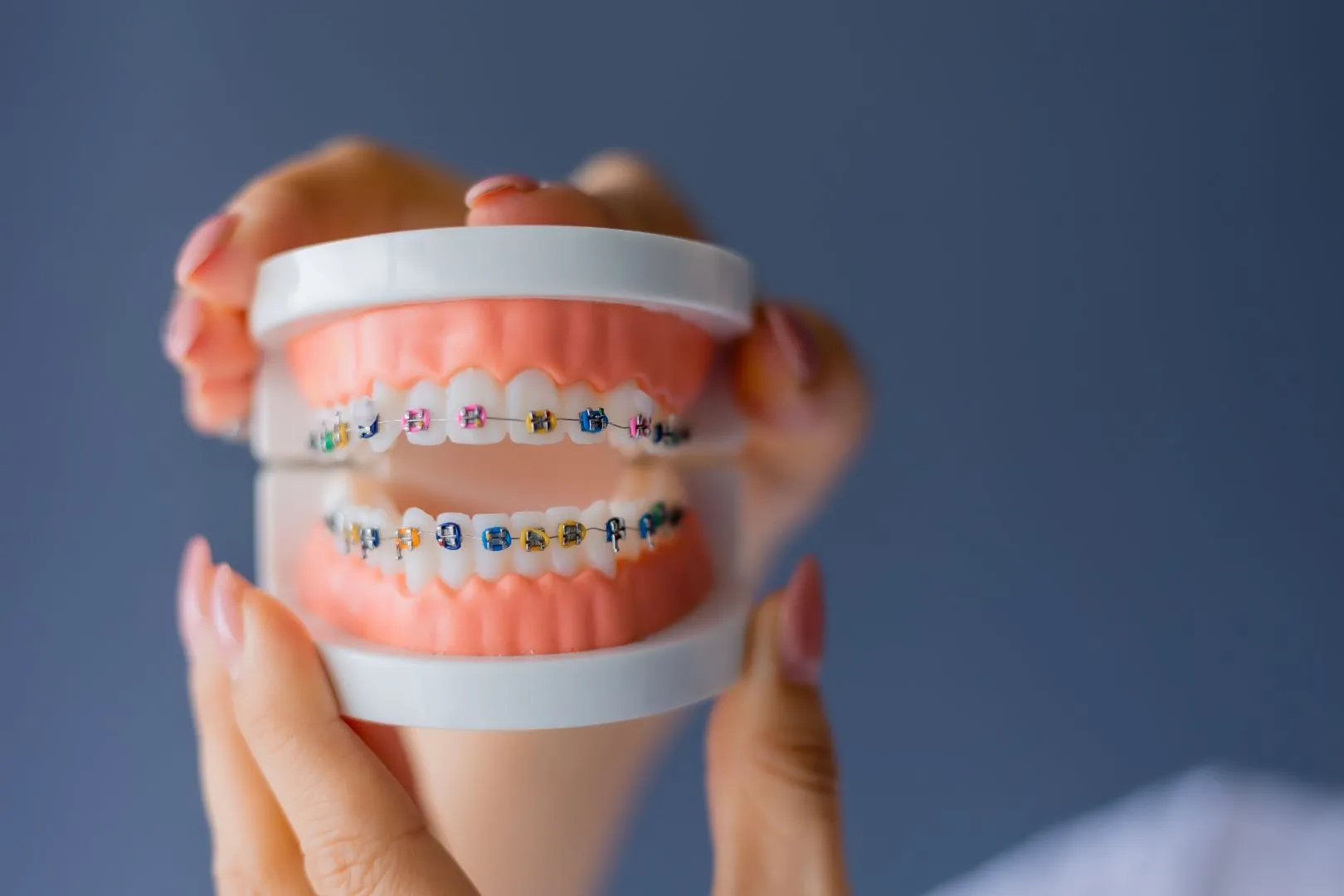
No credible evidence supports the idea that chewing gum, jaw exercises, or the viral technique known as “mewing” can straighten crooked or crowded teeth. Teeth move in response to sustained, controlled pressure applied over months by an orthodontic appliance — not from muscle exercises or gum chewing, which don’t come close to the type or duration of force needed to reposition teeth or reshape a jaw.
What Is Mewing, and Why Did It Become Popular?
Mewing is a tongue-posture technique — named after the orthodontist who popularized it — that involves resting the tongue against the roof of the mouth rather than on the floor of the mouth. Proper tongue posture is a genuinely real concept in orthodontics; a tongue that rests against the palate does provide a small, gentle influence on jaw development, particularly in growing children. The trouble is that online mewing communities have taken this modest, real observation and stretched it into much bigger claims — that dedicated practice can reshape an adult jawline, fix crowding, or replace orthodontic treatment entirely. There’s no reliable clinical evidence supporting those larger claims, especially in adults whose jaw bones have already finished growing.
Why Chewing Gum and Jaw Exercises Don’t Straighten Teeth
Orthodontic tooth movement happens because a bracket, wire, or aligner applies a light, continuous, carefully directed force to a tooth for weeks at a time, which triggers the bone around the tooth root to remodel and let the tooth shift. Chewing gum applies force in short, repetitive bursts in essentially random directions, with no ability to target a specific tooth or hold a sustained direction of pressure. Jaw exercises can strengthen chewing muscles and may help with certain jaw joint (TMJ) symptoms, but muscle strength has no direct mechanism for repositioning teeth within the jawbone.
Is There Any Real Benefit to Tongue Posture or Jaw Exercises?
Some, but it's more modest than online claims suggest. Correct tongue posture is genuinely one of several factors orthodontists consider in growing children, since a tongue that rests low in the mouth rather than against the palate can be one contributing factor in certain bite problems, including some open bites or narrow arches, alongside habits like mouth breathing and thumb sucking. Jaw exercises are sometimes recommended for specific TMJ-related discomfort. Neither, however, functions as a substitute for orthodontic treatment when actual tooth movement or jaw correction is needed.
Could Aggressive Mewing Cause Problems?
Some practitioners of aggressive mewing techniques report jaw soreness or discomfort, and there isn’t solid evidence that pushing harder produces better results — if anything, forcing an unnatural jaw posture for extended periods could contribute to jaw joint strain in some individuals. If you’re curious about tongue posture, a conversation with your orthodontist about what’s actually appropriate for your bite is a safer starting point than following an online routine.
At Davis & Goldberg Orthodontics, we’re happy to talk through what’s realistic versus what’s internet myth when it comes to straightening teeth — and to build a treatment plan using tools that actually have the evidence behind them, whether that’s braces, clear aligners, or an early growth-guiding appliance for a still-developing child.
What the Research Actually Says
The claims behind mewing rest largely on anecdotal, before-and-after social media evidence rather than controlled clinical studies. What's genuinely well-established in orthodontic literature is much more modest: that tongue posture is one of several factors influencing jaw development during childhood growth, alongside breathing pattern, habits like thumb sucking, and genetics. The leap from “tongue posture is one factor among several in growing children” to “deliberate tongue exercises will reshape an adult jaw” isn’t supported by the evidence currently available, which is an important distinction to keep in mind when evaluating dramatic claims online.
A Better Use of That Energy
If you’re unhappy with crowding, gaps, or a bite that bothers you, the most reliable path forward is still a consultation with an orthodontist who can actually measure what’s happening in your mouth and recommend a treatment — braces, clear aligners, or an early appliance for a still-growing child — that has a genuine, evidence-based track record of moving teeth and, when appropriate, guiding jaw growth. That doesn’t mean tongue posture is irrelevant; it’s just not a substitute for the tools that actually work.
Why This Myth Is So Appealing
It’s easy to see why mewing and similar ideas spread widely — the promise of reshaping your jaw or straightening your teeth for free, with nothing more than a posture change, is far more appealing than the time and cost of actual orthodontic treatment. Social media makes it easy to find dramatic-looking before-and-after photos that seem to support the claim, even when lighting, angle, weight changes, or simple aging are the more likely explanation. Recognizing why a claim feels appealing doesn’t make it true, and it’s worth holding onto healthy skepticism about any technique promising major dental changes without any professional involvement at all.
What Actually Moves Teeth
To reset the fundamentals: real orthodontic tooth movement relies on a specific biological process called bone remodeling, triggered by light, sustained, precisely directed pressure held in place for weeks at a time by a bracket, wire, or aligner. That process has been studied extensively and is well understood, which is exactly why braces and clear aligners work as reliably as they do. Nothing about chewing gum, jaw exercises, or tongue posture practice replicates that specific mechanism, which is the core reason none of them can substitute for actual treatment.
Frequently Asked Questions
Can mewing fix an overbite or underbite?
There’s no reliable evidence that mewing alone corrects an overbite or underbite, particularly in anyone whose jaw has finished growing. These bite relationships typically need orthodontic appliances, and sometimes jaw surgery in severe adult cases, to correct.
Is tongue posture worth paying attention to at all?
For growing children, yes, as one piece of a broader picture an orthodontist considers. For adults hoping to reshape their jaw or straighten teeth, tongue posture alone isn’t a meaningful substitute for treatment.
Why do some people online claim mewing worked for them?
Some may be misattributing normal facial changes from weight loss, aging, or unrelated dental work, and photo angles or lighting can also create the illusion of change. There's no controlled clinical evidence supporting jaw reshaping from mewing in adults.
Are there any exercises an orthodontist might actually recommend?
Certain jaw exercises can be genuinely helpful for specific TMJ discomfort as part of a broader treatment plan, but these are recommended case by case, not as a general teeth-straightening method.
Is it worth practicing good tongue posture anyway?
For growing children, yes, since it’s one small factor among several an orthodontist may consider. For adults hoping to straighten teeth or reshape a jaw, it’s a reasonable habit but shouldn’t be relied on as your treatment plan.
Could mewing ever make a bite problem worse?
It’s possible with aggressive or forced techniques, since pushing the jaw into an unnatural position for extended periods could contribute to jaw joint strain in some people, though this isn’t well studied either.
What should I do if I’ve been mewing and I’m not seeing results?
That’s consistent with what the evidence would predict. A consultation with an orthodontist is a more productive next step if you’re genuinely looking to change your bite or alignment.
Are there online communities that dispute this?
Yes, mewing has passionate online communities, but passionate belief and consistent anecdotal testimonials aren’t the same as clinical evidence, and it’s worth weighing claims against what's actually been studied.
Disclaimer: The content on this blog is not intended to be a substitute for professional medical advice, diagnosis, or treatment. Always seek the advice of qualified health providers with questions you may have regarding medical conditions.