
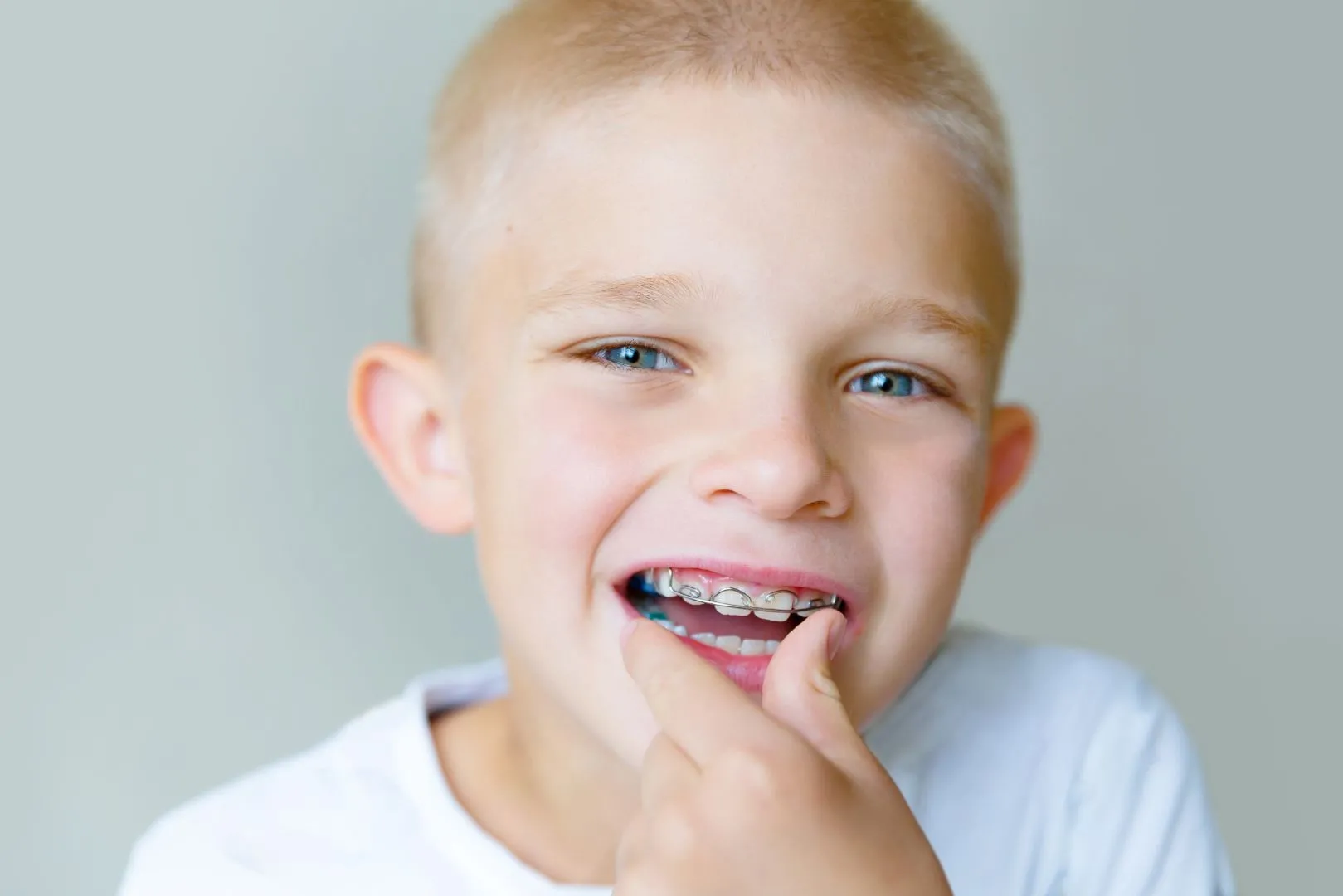
Jaw surgery is generally reserved for skeletal bite problems — cases where the upper and lower jawbones themselves are mismatched in size or position — rather than dental bite problems, where the teeth are misaligned but the jawbones are proportioned normally. Most bite issues fall into the dental category and can be corrected with braces or clear aligners alone. Jaw surgery, known as orthognathic surgery, only becomes necessary when the jawbone discrepancy is significant enough that moving teeth alone can't create a stable, functional bite.
Skeletal vs. Dental Bite Problems: What's the Difference?
A dental bite problem means the teeth are crooked, crowded, or misaligned relative to each other, but the underlying jawbones are a reasonably normal size and are positioned correctly relative to one another. Because the bone structure is sound, braces or aligners can move the teeth into proper alignment and achieve a healthy, functional bite entirely through tooth movement.
A skeletal bite problem is different: here, the upper jaw, lower jaw, or both are the wrong size or in the wrong position relative to each other, independent of where the teeth happen to sit. Moving teeth can sometimes mask a mild skeletal discrepancy, but it can't correct the underlying bone mismatch. When that mismatch is significant, the teeth simply don't have anywhere stable to go until the jaw position itself is corrected.
| Dental Bite Problem | Skeletal Bite Problem | |
|---|---|---|
| Underlying cause | Teeth misaligned; jawbones normal | Jawbones mismatched in size or position |
| Typical treatment | Braces or clear aligners | Orthodontics plus jaw surgery, in significant cases |
| Best treated | Any age once permanent teeth erupt | Often flagged early; surgery typically after jaw growth is complete |
How Orthodontists Tell the Two Apart
Distinguishing a dental problem from a skeletal one requires more than a visual exam. Our orthodontists rely on digital X-rays, including images that show the profile and proportions of the jawbones, along with 3D scans of the teeth and bite. These images let us measure the actual relationship between the upper and lower jaw, rather than judging severity from how the teeth look alone. Two patients can have a similar-looking bite issue for entirely different underlying reasons, which is why imaging plays such a central role in this evaluation.
Signs a Bite Problem Might Be Skeletal
- A significant, visible imbalance between the upper and lower jaw when viewed from the side
- A severe overbite, underbite, or open bite that doesn't fully close with the teeth together
- Difficulty chewing, speaking, or closing the lips comfortably
- A family history of significant jaw discrepancies
- A bite problem that was flagged as severe during a childhood orthodontic evaluation
When Is Jaw Surgery Actually Necessary?
Jaw surgery is considered only when the skeletal discrepancy is significant enough that braces or aligners alone can't achieve a stable, functional, and reasonably balanced result. This is a smaller subset of skeletal cases — many milder skeletal discrepancies are still managed successfully with orthodontics alone, sometimes with the help of growth-guiding appliances if caught while a patient is still growing. Surgery is typically discussed only after growth is complete, generally in the late teens or adulthood, once the final jaw proportions are known.
How Orthodontic Treatment and Jaw Surgery Work Together
When surgery is genuinely needed, it isn't a standalone fix. Orthodontic treatment typically happens both before and after the surgical procedure: braces first align the teeth within each jaw so they'll fit together correctly once the jaws are repositioned, then an oral and maxillofacial surgeon performs the surgery, and braces continue afterward to fine-tune the final bite. This combined surgical-orthodontic approach is a coordinated, multi-provider process rather than something handled by one office alone.
Getting an Accurate Evaluation
Because the distinction between a dental and skeletal bite problem changes the entire treatment path, an accurate diagnosis matters more than almost anything else in the process. At Davis & Goldberg Orthodontics, we use digital imaging to evaluate the jaw relationship as part of every comprehensive consultation, so any recommendation — whether it's orthodontics alone or a referral for a surgical consultation — is based on a clear picture of what's actually happening with the underlying bone structure.
Can Early Orthodontic Treatment Prevent the Need for Jaw Surgery Later?
In some cases, yes. If a skeletal discrepancy is identified while a child is still growing, growth-guiding appliances — such as expanders or other functional appliances — can sometimes influence how the jaw develops, potentially reducing the severity of a mismatch that might otherwise require surgical correction in adulthood. This is one of the reasons the American Association of Orthodontists recommends an evaluation by age 7: catching a developing skeletal pattern early opens options that simply aren't available once jaw growth has finished. Not every skeletal case can be fully corrected this way, but early evaluation at minimum gives a family accurate information well before adulthood.
What a Surgical Consultation Actually Involves
If imaging and treatment planning point toward the possibility of jaw surgery, the next step is typically a consultation with an oral and maxillofacial surgeon, who will review your orthodontist's records and take additional imaging specific to surgical planning. This consultation is a chance to ask detailed questions about the specific procedure being considered, recovery expectations, and how it fits into the surrounding orthodontic timeline — it's a separate, more detailed conversation than the orthodontic evaluation alone, and patients aren't committed to surgery simply by having this discussion.
Living With a Mild Skeletal Discrepancy That Doesn't Require Surgery
Not every skeletal bite problem is severe enough to need surgical correction. Many mild-to-moderate skeletal discrepancies are managed successfully with orthodontics alone, sometimes accepting a slightly more conservative bite outcome rather than pursuing surgery for a marginal improvement. Your orthodontist can walk through where your specific case falls on that spectrum and what a non-surgical outcome would realistically look like, so you can weigh that against the more involved combined surgical approach.
What Recovery From Jaw Surgery Typically Involves
Recovery from orthognathic surgery is more involved than routine dental or orthodontic procedures, since it's a surgical procedure on the jawbone itself performed under general anesthesia, usually with a short hospital stay. Most patients experience noticeable swelling and some limitation on jaw movement and diet for the first couple of weeks, gradually returning to normal activities and a regular diet over the following weeks. Your orthodontic treatment resumes once your surgeon confirms you're ready, generally with the goal of fine-tuning the bite into its final position over the following months.
How Families Can Prepare for a Recommendation Involving Surgery
Hearing that jaw surgery might eventually be part of a treatment plan can feel like a lot to take in, especially for the parents of a younger patient who won't be considering surgery for several more years. It helps to remember that this kind of recommendation, when it comes early, is usually about identifying a growth pattern worth monitoring rather than an immediate next step. Our orthodontists will walk through the realistic timeline — what's being watched now, what decisions come later, and what a surgical consultation would actually involve when the time comes — so nothing feels like a surprise decision made all at once.
Frequently Asked Questions
Can braces fix a skeletal bite problem without surgery?
Mild to moderate skeletal discrepancies are sometimes managed with orthodontics alone or with growth-guiding appliances in growing patients, but significant skeletal mismatches generally require surgery for a stable result.
At what age is jaw surgery typically considered?
Surgery is usually discussed only after jaw growth is complete, which is generally in the late teens for females and slightly later for males, though this varies by individual.
How long does treatment take when jaw surgery is involved?
Combined surgical-orthodontic treatment generally takes longer than orthodontics alone, since it includes a pre-surgical orthodontic phase, the surgery and recovery period, and a post-surgical orthodontic phase to finalize the bite.
Who performs the jaw surgery itself?
An oral and maxillofacial surgeon performs the surgical procedure, working in coordination with your orthodontist throughout the process.
Can a child's skeletal bite problem be monitored instead of treated right away?
Yes, in many cases a mild skeletal pattern identified in a young child is simply monitored with periodic evaluations until it becomes clearer whether growth-guiding treatment would help or whether the discrepancy is resolving on its own.
Disclaimer: The content on this blog is not intended to be a substitute for professional medical advice, diagnosis, or treatment. Always seek the advice of qualified health providers with questions you may have regarding medical conditions.