
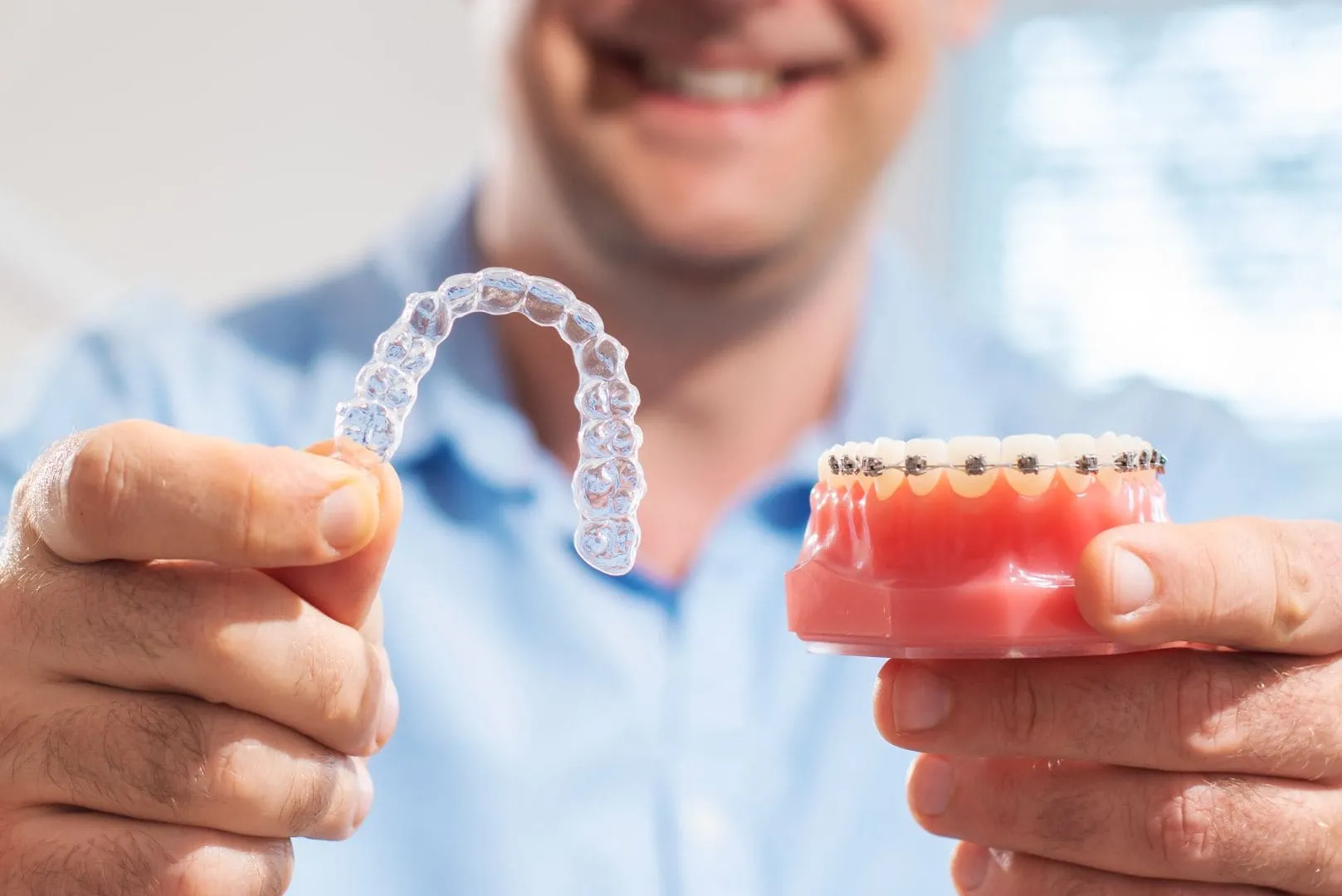
Yes, more complex orthodontic cases can cost more than straightforward ones, but complexity isn't just about how crooked your teeth look — it's driven by factors like how long treatment is expected to take, whether the case involves a skeletal bite issue, how many appliances or phases are needed, and whether specialists beyond your orthodontist are involved. Two patients with similarly crowded teeth can end up with very different treatment costs depending on what's actually happening beneath the surface, which is why an accurate cost estimate only comes after a full evaluation.
What Actually Drives Orthodontic Treatment Cost
Cost isn't tied to a single factor like age or the type of appliance alone. It reflects the overall scope of the treatment plan — how many teeth need significant movement, how far they need to travel, whether the bite needs correction beyond just straightening, and how long all of that is expected to take. A case that looks mild from the outside can sometimes require more extensive planning than one that looks more dramatic, which is part of why cost estimates are always based on a full diagnostic workup rather than a quick look.
Factors That Can Increase Treatment Complexity and Cost
- A skeletal bite discrepancy that requires closer coordination with the treatment plan, and in significant cases, a surgical evaluation
- Severe crowding or spacing that requires extended treatment time
- A need for two-phase treatment, with a resting period between an early phase and a later comprehensive phase
- Missing or extra teeth that require careful space management
- Coordination with other providers, such as an oral surgeon, periodontist, or restorative dentist
- A longer expected treatment duration overall
Does Choosing Invisalign Over Braces Change the Cost for Complex Cases?
The relationship between appliance type and cost is less about which option you choose and more about what the case requires. Some complex cases are well-suited to advanced clear aligner treatment, while others genuinely need the specific mechanics that braces provide. Rather than starting from "which is cheaper," our orthodontists start from what will actually achieve a stable, healthy result for your specific bite, then discuss how each viable option compares on cost and timeline.
How Digital Diagnostics Help Estimate Cost Accurately Upfront
Because cost is tied so closely to the scope of treatment, an accurate estimate depends on an accurate diagnosis. At Davis & Goldberg Orthodontics, we use digital scans and X-rays at your initial evaluation to see the full picture — root positions, jaw relationships, and available space — before proposing a treatment plan and cost estimate. That diagnostic step is what allows us to give you a specific number for your case rather than a broad range that could be off in either direction.
Complex Cases and Treatment Length
Longer treatment time is one of the more direct ways complexity translates into cost, since a longer active treatment period generally means more adjustment visits, more aligner trays or wire changes, and more monitoring overall. This is one reason our team is upfront at your consultation about an estimated treatment timeline — it directly informs the total cost and how a payment plan might be structured around it.
Can a Complex Case Sometimes Cost Less Than Expected?
It happens more often than people assume. A case that looks visually severe isn't automatically the most complex from a treatment standpoint — sometimes a dramatic-looking crowding issue resolves faster than a subtler bite problem that requires more precise, longer-term correction. This is exactly why a proper evaluation matters more than guessing based on appearance; it can just as easily reveal a shorter, more straightforward path as a longer one.
Getting an Accurate Estimate for Your Case
The only reliable way to know what your specific treatment will cost is a full evaluation, since cost estimates given without seeing your actual bite, jaw relationship, and treatment goals aren't much more than a guess. Our team walks through the full estimate, any applicable insurance benefit, and payment options together at your consultation, so you have real numbers to work with before deciding how to move forward.
Why Two-Phase Treatment Can Affect Overall Cost
Some complex cases are best addressed with two-phase treatment — an early phase while a child is still growing, followed by a resting period, and then a comprehensive second phase once all the permanent teeth have erupted. Because this involves two separate treatment periods rather than one continuous course, total cost is often structured as two separate fees rather than one combined number. This isn't a sign that two-phase treatment is automatically more expensive than treating a similarly complex case in one continuous phase later on — it simply reflects that the work happens in two distinct stages.
How Specialist Coordination Affects Cost
When a complex case requires coordination with another provider — an oral surgeon for jaw surgery, a periodontist for gum-related concerns, or a restorative dentist for missing teeth — each provider typically bills separately for their portion of care. Your orthodontist's cost estimate generally covers the orthodontic portion of treatment specifically, so it's worth asking directly whether a quoted number includes coordination fees or whether specialist care will be billed separately by that provider's own office.
Does a More Complex Case Always Mean a Longer Payment Plan?
Not necessarily. While complex cases can sometimes involve a longer treatment timeline, and therefore a longer payment plan, the two don't move in lockstep in every case. Some complex cases are broken into distinct phases with their own separate, shorter payment periods, while others are billed as one longer continuous plan. Our team can walk through how your specific case's cost and timeline translate into a payment structure at your consultation.
Why Comparing Cost Between Providers Isn't Always Straightforward
Two orthodontic offices might quote noticeably different numbers for what sounds like a similar case, and the difference often comes down to what's actually included — the number of visits covered, whether retainers are included in the initial fee, and how thoroughly the case was diagnosed before the estimate was given. Rather than comparing quoted numbers alone, ask each office what specifically is included in their estimate, so you're comparing the full scope of care rather than just a bottom-line figure.
Frequently Asked Questions
Is Invisalign always more expensive than braces for complex cases?
Not necessarily — cost depends more on the scope and length of treatment than on the appliance type alone; some complex cases are comparable in cost across both options.
Does a longer treatment time always mean a higher total cost?
Generally, longer treatment does tend to increase total cost, since it typically involves more visits and materials over time, though the relationship isn't always exactly proportional.
Will my insurance cover more of the cost if my case is more complex?
Most orthodontic insurance benefits are a set lifetime maximum or percentage rather than scaling with case complexity, so it's worth confirming your specific benefit details with your provider.
Can I get a firm cost estimate before starting treatment?
Yes. Once your evaluation and diagnostic records are complete, our team can give you a specific cost estimate and payment plan option for your recommended treatment.
Does two-phase treatment cost more overall than one continuous phase of treatment?
Not necessarily more overall, though it's typically billed as two separate fees for two separate treatment periods rather than a single combined cost, since the phases are spaced apart by a resting period.
Disclaimer: The content on this blog is not intended to be a substitute for professional financial or medical advice. Always seek the advice of qualified health providers with questions you may have regarding treatment.