
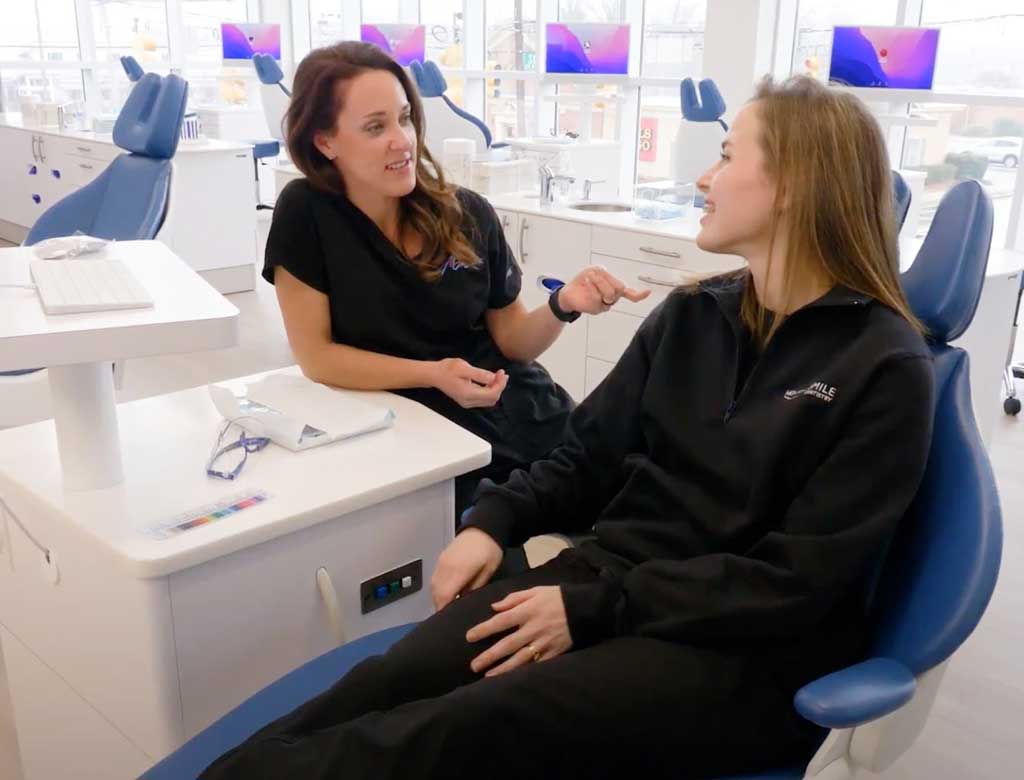
Yes, adults of any age can get braces or Invisalign as long as their teeth and gums are healthy. According to the American Association of Orthodontists, a significant portion of orthodontic patients today are adults . At 25 or 65, orthodontic treatment works because teeth can move at any age. Modern options are more discreet and comfortable than the metal braces you might remember from middle school.
If you've been wondering whether it's "too late" to straighten your teeth, the answer is simple: it's not. Adult patients at Davis and Goldberg Ortho choose to invest in their smiles every day. The technology has caught up to busy adult lifestyles, and the results speak for themselves.
How Adult Orthodontic Treatment Works
Adult treatment follows a clear path from first visit to final smile. Our board-certified orthodontists design a custom plan based on your teeth, bite, and goals, then guide you through each phase with regular check-ins.
Your smile journey starts with a free consult. During this visit, your orthodontist examines your teeth, takes digital scans, and reviews X-rays to understand your unique bite and alignment.
From there, a custom treatment plan takes shape based on your goals. Here's what the process typically looks like:
- Initial evaluation: Your orthodontist assesses your teeth, gums, and jaw alignment
- Treatment planning: Digital imaging helps map out tooth movement from start to finish
- Appliance placement: Braces are bonded to teeth, or you receive your first set of Invisalign trays
- Progress check-ins: Visits every 6-10 weeks keep treatment on track
- Active treatment: Most adults complete treatment in 12-24 months
- Retention phase: Retainers maintain your smile for years to come
Braces work through brackets and wires that apply gentle, consistent pressure. Invisalign uses a series of clear aligner trays, each one shifting your teeth slightly closer to their final position. Both methods work well. The right choice depends on your case and lifestyle.
Benefits of Getting Braces or Invisalign as an Adult
Straightening your teeth does more than improve your appearance. The benefits run deeper than aesthetics.
How Does Straightening Improve Oral Health?
Crowded or misaligned teeth create tight spaces where plaque hides. Straighter teeth are easier to brush and floss, which means fewer cavities and healthier gums over time. Many adults find their daily hygiene routine becomes simpler and more effective once treatment ends.
Can Adult Orthodontics Improve Bite Function?
When your teeth don't fit together properly, your jaw works harder. This can lead to uneven tooth wear, headaches, and jaw discomfort. Correcting your bite helps everything work the way it should, often easing discomfort that adults have lived with for years.
Will a Straighter Smile Boost Confidence?
Many adults feel self-conscious about their smile. A straighter smile can shift how you feel in photos, meetings, and everyday conversations. The confidence carries into both personal and professional settings.
Does Treatment Prevent Bigger Dental Issues?
Misaligned teeth contribute to TMJ disorders, gum disease, and even tooth loss. Addressing alignment now protects your dental health for decades. Think of it as a long-term investment that pays dividends well past the final visit.
What Options Fit a Busy Adult Lifestyle?
Invisalign and ceramic braces let you straighten your teeth without broadcasting it to everyone. You can keep your professional image while working toward the smile you want. Discreet options have made adult treatment more popular than ever.
Adult Braces vs. Invisalign: Comparing Your Options
Both braces and Invisalign move teeth well. The best option depends on your case complexity, lifestyle, and personal preferences.
| Factor | Braces | Invisalign |
|---|---|---|
| Visibility | Metal brackets visible; ceramic options less noticeable | Nearly invisible clear trays |
| Removability | Fixed to teeth for entire treatment | Removable for eating, brushing, and special occasions |
| Best for | Complex cases, severe crowding, significant bite issues | Mild to moderate alignment concerns |
| Eating | Some food restrictions (hard, sticky foods) | No restrictions. Remove trays to eat |
| Cleaning | Requires careful brushing around brackets | Remove trays and brush normally |
| Compliance | Always working since they're fixed | Requires 20-22 hours of daily wear |
| Treatment time | 12-24 months typical | 12-24 months typical |
Braces shine for complex cases. Severe rotations, significant bite issues, and major crowding often respond better to the precise control braces provide. Options include traditional metal, tooth-colored ceramic, and lingual braces placed behind your teeth.
Invisalign offers flexibility that fits adult life. You can remove your trays for important presentations, date nights, or family photos. Brushing and flossing happen normally. But this freedom requires discipline. Trays must stay in 20-22 hours daily to work.
Your orthodontist at Davis and Goldberg Ortho will recommend the approach that matches your specific needs. Sometimes the choice is clear. Other times, both options work equally well, and it comes down to what fits your lifestyle best.
How Much Do Adult Braces or Invisalign Cost?
Adult braces typically cost $3,000-$7,000 and Invisalign costs $3,500-$8,000, depending on case complexity and treatment length . Investment in your smile varies based on several factors. Here's what influences the total:
| Treatment | Typical Range | Key Cost Factors |
|---|---|---|
| Adult Braces | $3,000-$7,000 | Case complexity, bracket type, treatment length |
| Invisalign | $3,500-$8,000 | Number of aligners needed, refinements required |
What affects your cost:
- How complex your case is
- How long treatment takes
- The type of appliance you choose
- Your orthodontist's experience and expertise
Making treatment affordable: Many adults are surprised to learn their dental insurance includes orthodontic benefits. Even plans that seem focused on kids often cover adult treatment partially. Verifying benefits before your first visit gives you a clearer picture of what's covered, what's reimbursable, and what your lifetime orthodontic maximum looks like.
Beyond insurance, flexible payment options make straightening your teeth manageable:
- 0% financing spreads costs over time
- Monthly payment plans fit most budgets
- HSA and FSA accounts can cover orthodontic expenses
- Auto-pay discounts may further reduce monthly costs
A free consult gives you a personalized quote with no obligation. You'll know exactly what to expect before making any decisions, including total cost, monthly payment options, and how your insurance applies.
Are You a Good Candidate for Adult Orthodontics?
Most adults qualify for braces or Invisalign. The main requirements are straightforward:
- Healthy teeth: Cavities need treatment before starting
- Healthy gums: Active gum disease must be addressed first
- Adequate bone structure: Your jawbone needs to support tooth movement
- Commitment: You'll need to attend visits and follow care instructions
What about existing restorations? Crowns, bridges, and even some implants don't automatically disqualify you. Your orthodontist evaluates how existing restorations factor into your treatment plan.
Already had braces as a teen? Teeth can shift over time, especially if retainer wear lapsed. Many adults seek treatment to correct relapse. This is common and completely treatable.
The team at Davis and Goldberg Ortho includes four board-certified orthodontists who evaluate each patient individually. A free consult determines whether braces or Invisalign suits your situation and which approach will deliver the best results.
Frequently Asked Questions About Adult Braces and Invisalign
Is it too late to get braces as an adult?
No. Teeth can move at any age as long as your gums and bone are healthy. The AAO reports that adult orthodontic treatment has grown notably over the past two decades . At 30, 50, or older, straightening your teeth remains possible and effective.
How long does adult treatment take?
Most adults complete treatment in 12-24 months. Simple cases may finish faster. Complex cases involving significant bite correction might take longer. Your orthodontist provides a timeline estimate during your consultation based on your specific needs.
Does getting braces or Invisalign hurt?
Expect mild tenderness for a few days after braces are placed or when you switch to a new aligner tray. This feeling fades quickly as your mouth adjusts. Over-the-counter relievers help if needed. Most patients describe the sensation as pressure rather than anything sharp.
Will braces affect my work or social life?
Today's options minimize any impact. Ceramic braces blend with your teeth. Invisalign is nearly invisible. Lingual braces hide behind your teeth completely. Many adults complete treatment without coworkers or acquaintances noticing.
Can I get Invisalign if I had braces as a teen?
Yes. This scenario is actually common. Teeth shift naturally over time, and skipping retainer wear speeds that up. Invisalign works well for correcting relapse, often requiring shorter treatment than the original case.
Does insurance cover adult orthodontics?
Many dental plans include orthodontic benefits for adults. Coverage varies by plan, so checking your specific benefits helps you understand what to expect. The team at Davis and Goldberg Ortho verifies your insurance and explains your coverage during your free consult.
Adult orthodontics has come a long way, and today's options make it easier than ever to straighten your teeth at any stage of life. Whether braces or Invisalign turns out to be the right fit, understanding how treatment works, what it costs, and what to expect helps you make an informed decision about your smile.
Whether you are 25 or 65, our team offers expert care as your orthodontist for adults in Greensboro, NC.