
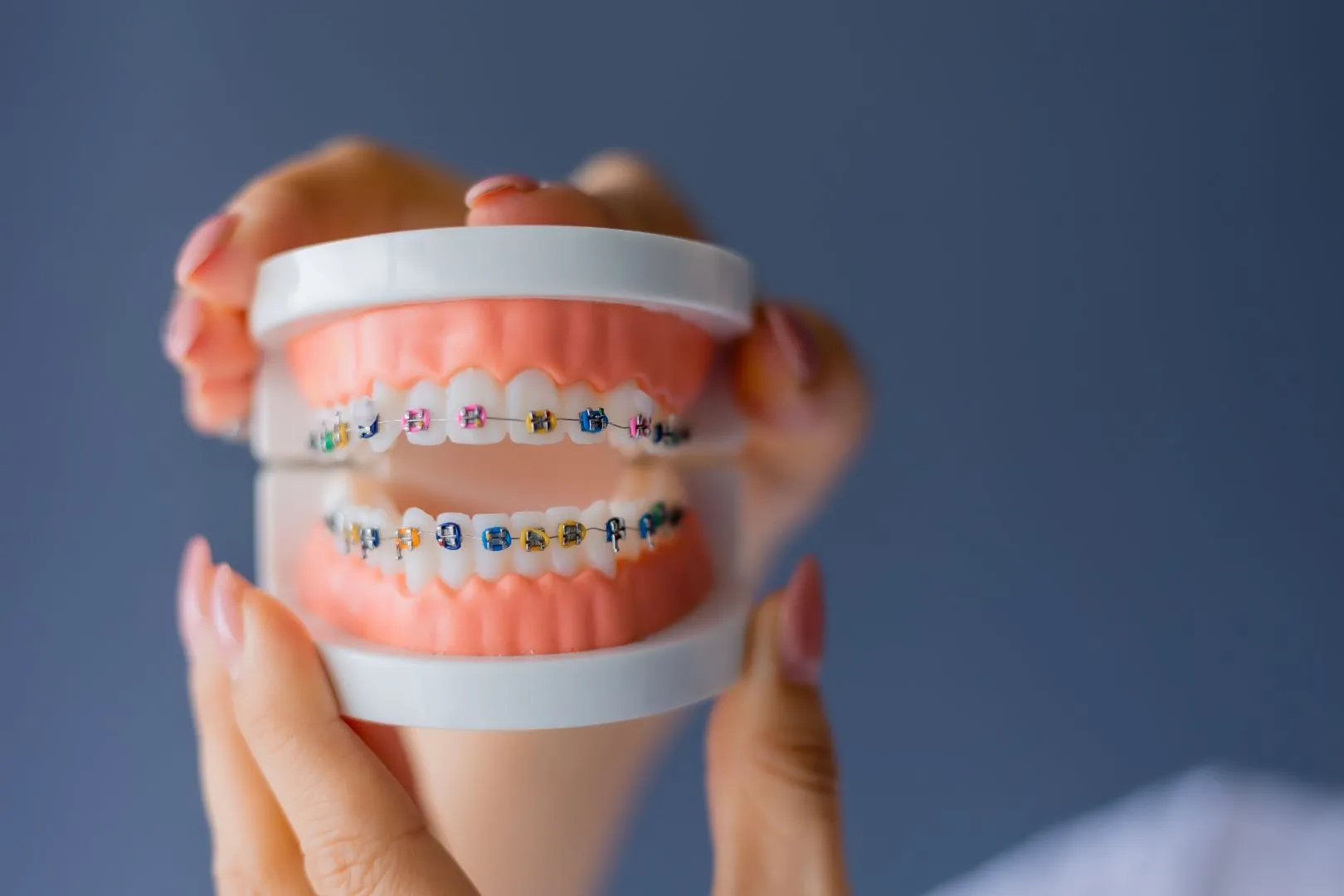
Most orthodontic adjustment appointments take between 15 and 30 minutes, considerably shorter than most patients expect. The visit is quick because the diagnostic work happened earlier, at your initial consultation and records appointment — a routine adjustment is mainly about checking progress, making planned changes to your wires or aligners, and confirming everything is tracking toward your treatment goals.
What Happens at a Typical Adjustment Appointment
An adjustment visit generally starts with a quick check of how your teeth have moved since your last appointment, comparing that against the treatment plan. From there, our team makes the planned change for that visit — which might mean tightening or replacing a wire, adding or removing an elastic, or checking that your aligner trays are tracking as expected. The whole process is usually straightforward once a treatment plan is already underway.
Common Steps at an Adjustment Visit
- A quick visual check of tooth movement and bite alignment
- Tightening, replacing, or adjusting the archwire for braces patients
- Checking aligner tray fit and progress for Invisalign patients, and issuing new trays if needed
- Addressing any loose brackets, poking wires, or minor issues since your last visit
- A brief update from you and our team on how things are feeling day to day
Why Adjustment Visits Are Shorter Than People Expect
Many patients picture an adjustment as similarly involved as their very first visit, when scans, X-rays, and a full treatment plan were built from scratch. Once treatment is underway, most of that diagnostic work is already done, and each visit is simply executing the next planned step. That's why a typical adjustment moves quickly — there's usually a clear, specific task for that appointment rather than an open-ended evaluation.
How Often Are Adjustment Appointments Scheduled?
Spacing between adjustment visits varies by treatment type and by where you are in your plan, but many braces patients are seen roughly every four to eight weeks, while Invisalign patients are often seen a bit less frequently since trays are typically changed at home on a schedule between check-in visits. Your orthodontist will lay out the expected visit schedule for your specific treatment plan at your initial consultation.
Does a Longer Visit Mean Something Is Wrong?
Not necessarily. Some visits simply require more time — for example, a visit where new aligners are being fitted for the first time, a bracket needs to be repaired, or a bigger step in the treatment plan (like removing braces at the end of treatment) is happening. A longer appointment on its own isn't a sign of a problem; it usually just reflects what specifically needs to happen that day.
What You Can Do to Make Adjustment Visits Go Smoothly
- Bring your aligner trays to every Invisalign check-in visit, including any older trays if asked
- Let our team know about any loose brackets, discomfort, or broken wires as soon as they happen, rather than waiting for your next scheduled visit
- Keep up with your oral hygiene routine between visits so your team can move efficiently through the check without extra cleanup
- Arrive a few minutes early if it's your first visit at a new location within our practice
How Digital Tracking Speeds Up Adjustment Visits
Digital scans taken periodically throughout treatment give our team a precise record of how each tooth has moved since your last visit, which makes it faster to confirm you're on track without needing to re-examine everything from scratch. At Davis & Goldberg Orthodontics, this digital approach is part of why most adjustment visits stay efficient, even as your treatment plan gets more detailed over time.
When to Call Between Scheduled Adjustment Visits
If something feels wrong between visits — a poking wire, a broken bracket, or a tray that suddenly doesn't fit right — there's no need to wait for your next scheduled appointment. Our office can typically see you sooner for anything that's actively causing discomfort or that could affect your treatment progress if left unaddressed.
How Adjustment Visits Change Over the Course of Treatment
Early adjustment visits often involve more noticeable changes, since there's usually more distance for teeth to travel at the start of treatment. As teeth get closer to their final planned positions, adjustments tend to become more about fine-tuning than making large corrections, and visits toward the end of treatment can feel shorter and more routine than the ones earlier on. Your orthodontist will let you know as your plan shifts into this fine-tuning stage, which is often a sign that treatment is heading toward its final phase.
Invisalign Check-In Visits vs. Braces Adjustment Visits
Invisalign check-in visits generally involve less hands-on adjustment than a braces appointment, since most of the actual tooth movement happens gradually at home as you progress through each set of trays on your own schedule. A typical Invisalign visit focuses on confirming the trays are tracking correctly, checking for any attachments that may need replacing, and issuing the next batch of trays if you're ready to move forward. This is part of why Invisalign patients are sometimes seen slightly less often than braces patients, though the exact schedule depends on your specific treatment plan.
What a Same-Day Emergency Visit Typically Looks Like
An unscheduled visit for a poking wire or broken bracket is usually even quicker than a routine adjustment, since the goal is simply to resolve the specific issue — trimming or re-securing a wire, replacing a bracket, or smoothing a rough edge — rather than reviewing your whole treatment plan. These visits are typically worked into the day's schedule as soon as reasonably possible, since discomfort or a poking wire isn't something patients should have to tolerate until a routine appointment comes around.
Frequently Asked Questions
Do I need to take time off work or school for an adjustment visit?
Most adjustment visits are short enough that many patients schedule them around a lunch break or before/after school, though this depends on your specific appointment and travel time.
Why did my last adjustment take longer than usual?
Certain visits — such as a first aligner fitting, a bracket repair, or the visit where braces are removed — naturally take more time than a routine check-in.
Can I request a specific time of day for adjustment visits?
Yes, our scheduling team will work with your availability as much as possible for recurring adjustment appointments.
What happens if I miss an adjustment appointment?
Missing a visit doesn't undo your progress, but it can push back your treatment timeline slightly; call our office to reschedule as soon as possible if you miss one.
Do adjustment visits get shorter toward the end of treatment?
Often, yes — as teeth approach their final planned positions, adjustments tend to become smaller and more routine compared to the larger corrections made earlier in treatment.
Disclaimer: The content on this blog is not intended to be a substitute for professional medical advice, diagnosis, or treatment. Always seek the advice of qualified health providers with questions you may have regarding medical conditions.