
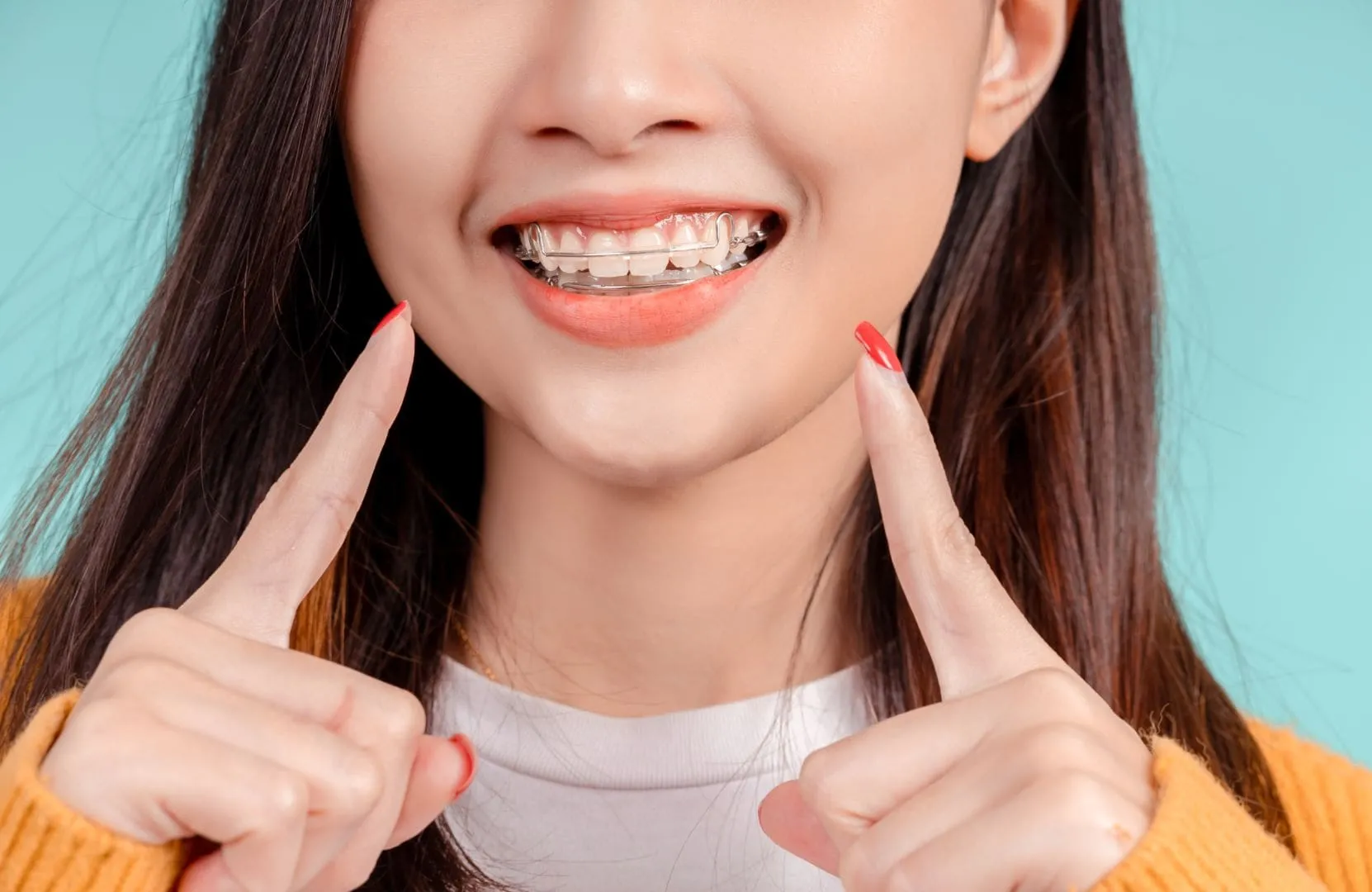
Once braces come off, most patients transition into the retention phase with periodic checkups roughly every few months for the first year, gradually spacing out to once or twice a year as your bite and retainer wear stabilize. The retention phase isn't a formality — the bone and gum tissue around your teeth are still settling into their new positions after treatment, and these checkups make sure your retainer is still fitting and doing its job.
Why the Retention Phase Still Requires Checkups
Right after braces come off, the bone surrounding each tooth hasn't fully solidified in its new position, which means teeth can still drift relatively easily if nothing is holding them in place. A retainer is what prevents that drift while the bone catches up, but a retainer that no longer fits well, or one that's being worn inconsistently, can't do its job. Periodic checkups are how your orthodontist confirms the retainer is still fitting and that everything is holding steady.
Typical Retention Checkup Schedule
| Time Since Braces Removal | Typical Checkup Frequency |
|---|---|
| First few months | Every 6–8 weeks |
| Months 3–12 | Every 3–4 months |
| After year one | Once or twice a year, ongoing |
This schedule is a general pattern rather than a fixed rule — your orthodontist will adjust the specific timing based on how your bite and retainer are holding up at each visit.
What Happens at a Retention Checkup
A retention visit is typically brief. Our team checks how your retainer fits, looks for any signs of tooth movement since your last visit, and makes sure the retainer itself isn't cracked, warped, or worn out. If you have a fixed (bonded) retainer behind your front teeth, we'll also check that the wire is still securely attached. Any small adjustments, or a replacement retainer if yours is worn out, can typically be handled at this same visit.
How Long Does the Retention Phase Last?
Retention doesn't have a firm end date the way active treatment does. Many orthodontists recommend some form of retainer wear indefinitely, since teeth can shift gradually over a lifetime even long after orthodontic treatment ends — often shifting to nighttime-only wear after the first year or two rather than stopping altogether. Checkups tend to taper off in frequency once your bite has clearly stabilized, but staying on some retainer schedule long-term is what actually protects your result.
Signs You Might Need a Checkup Sooner
- Your retainer suddenly feels tight, loose, or doesn't seat the way it used to
- You notice a tooth shifting or a small gap opening up
- Your retainer is cracked, warped, or visibly worn
- You've gone through a stretch of inconsistent wear and want to check that nothing has moved
What If You Skip Retention Checkups?
Skipping checkups doesn't cause immediate problems, but it does mean a fitting issue or early shifting could go unnoticed for longer than it should. Because the whole purpose of retention is protecting the result you invested time and money into achieving, staying on the recommended checkup schedule is a small, low-effort way to catch a problem while it's still minor and easy to correct.
Our Approach to Retention Care
At Davis & Goldberg Orthodontics, retention checkups are treated as a genuine part of your treatment plan, not an afterthought once braces come off. We track your retainer fit and bite stability over time and adjust your checkup schedule based on what we're actually seeing at each visit, rather than a one-size-fits-all timeline.
Removable Retainers vs. Fixed Retainers During the Retention Phase
A removable retainer — typically a clear plastic tray or a wire-and-acrylic Hawley-style retainer — is taken out to eat and brush, while a fixed, or bonded, retainer is a thin wire attached directly behind the front teeth and stays in place continuously. Removable retainers depend entirely on the patient actually wearing them as directed, which is why checkups often focus on confirming consistent wear alongside fit. Fixed retainers remove some of that day-to-day responsibility but need their own kind of monitoring, since our team has to confirm the bonding is still intact and the wire hasn't come loose at either end.
What Happens If You Fall Behind on Retainer Wear
If retainer wear has been inconsistent for a stretch of time — a missed retainer while traveling, or simply forgetting for a few weeks — it's better to bring this up honestly at your next checkup than to avoid mentioning it. In many cases, a retainer that still fits, even if it feels a little tight at first, can be worn back into a comfortable fit with a period of more consistent use. If a retainer no longer fits at all, that's a sign meaningful movement has already happened, and our team can evaluate what options make sense from there.
How Long Retainers Typically Last Before Needing Replacement
Removable retainers wear out gradually with normal use and typically need replacement every few years, though this varies quite a bit based on how they're cared for, whether they're cleaned regularly, and how they're stored when not being worn. A cracked, warped, or ill-fitting retainer should be replaced rather than continuing to use it, since a damaged retainer often isn't providing the even, consistent pressure needed to keep teeth stable.
Retention Checkups for Children vs. Adults
Younger patients who finish treatment while still growing sometimes need a slightly different retention approach than adults, since ongoing jaw growth and the eruption of any remaining permanent teeth can influence how a retainer needs to fit over time. Adults, whose jaws have finished growing, generally settle into a more predictable, longer-term retention pattern sooner. Your orthodontist will tailor the checkup schedule to account for these differences rather than applying the exact same timeline to every patient regardless of age.
Frequently Asked Questions
Do I need retention checkups forever?
Many orthodontists recommend some ongoing retainer wear and occasional checkups indefinitely, since teeth can shift gradually over a lifetime, though visits typically become much less frequent after the first year or two.
What happens if my retainer breaks between checkups?
Call your orthodontist as soon as possible rather than waiting for your next scheduled visit, since going without a retainer for an extended period can allow teeth to shift.
Can I switch from a removable retainer to a bonded one, or vice versa?
In many cases, yes; discuss the pros and cons of each type with your orthodontist at a retention checkup to see what makes sense for your situation.
Is it normal for a retainer to feel tight after not wearing it consistently?
Yes, and it's actually a useful signal — if a retainer feels tight after inconsistent wear, it likely means some shifting has already started, which is worth having checked promptly.
How often do removable retainers typically need to be replaced?
Most removable retainers last a few years with normal use and proper care, but should be replaced sooner if they're cracked, warped, or no longer fitting well.
Can a bonded retainer stay in place for many years without issue?
Yes, a well-bonded fixed retainer can last many years, though it's still checked periodically at retention visits to confirm the bonding and wire remain intact.
Disclaimer: The content on this blog is not intended to be a substitute for professional medical advice, diagnosis, or treatment. Always seek the advice of qualified health providers with questions you may have regarding medical conditions.