
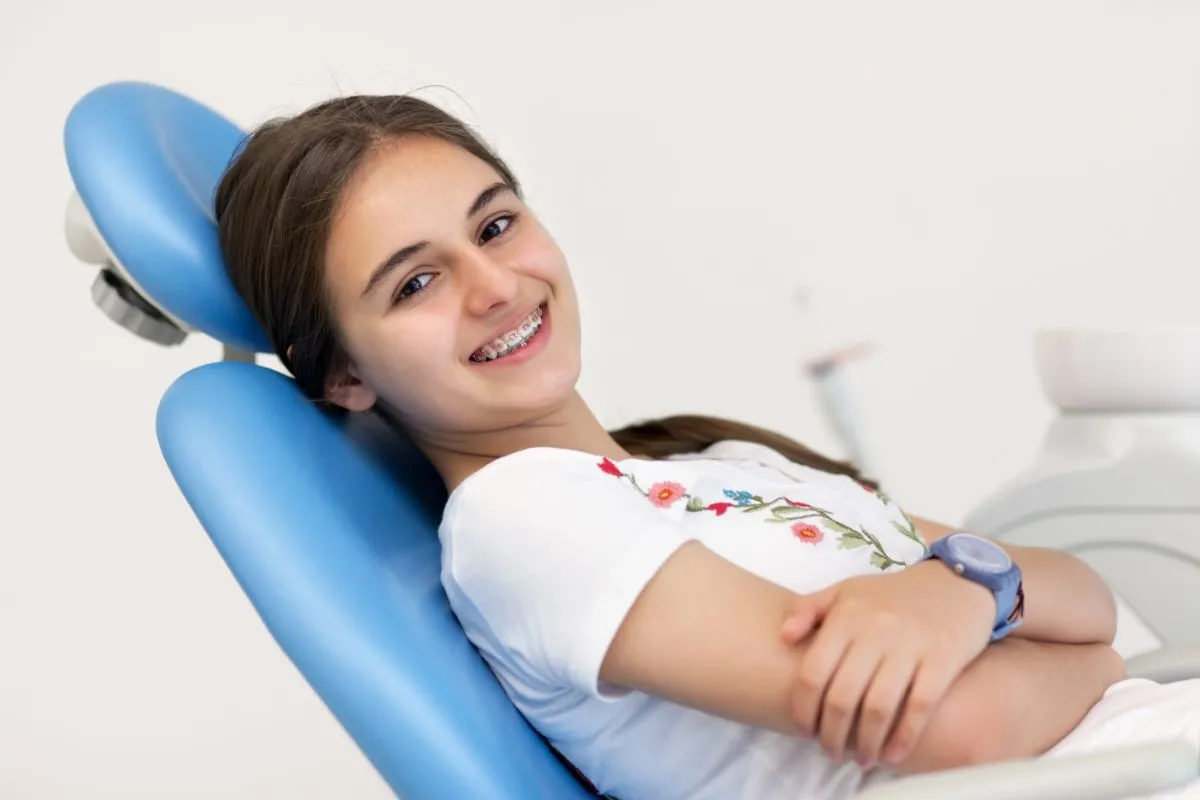
The best braces options for teenagers include traditional metal braces, ceramic braces, lingual braces, and Invisalign Teen. Each type straightens teeth effectively, but the right choice depends on your teen's lifestyle, the complexity of their orthodontic needs, and your family's budget. Modern braces are smaller, more comfortable, and work faster than older systems, making treatment easier for today's teens.
Choosing the right option starts with understanding how each works and what fits your teen's daily life. If your teen plays sports, performs in band, or simply wants a discreet look, there's a braces option that works.
How Braces Work to Straighten Teen Teeth
All braces work through the same basic principle: gentle, constant pressure gradually shifts teeth into proper alignment. This pressure triggers a biological response where bone tissue breaks down on one side of the tooth and rebuilds on the other, allowing teeth to move into new positions.
Traditional and ceramic braces use three main components:
- Brackets bonded to each tooth
- Archwires that connect the brackets and guide movement
- Elastics (rubber bands) that help correct bite alignment
Your orthodontist adjusts the wire tension every 4-8 weeks, progressively moving teeth closer to their final positions.
Clear aligners like Invisalign Teen take a different approach. Instead of brackets and wires, they use a series of custom-made plastic trays. Each tray is slightly different, nudging teeth a little further with every switch. Teens typically change to a new set of aligners every one to two weeks.
Average treatment time for most teens falls between 12 and 24 months. Complex cases may take longer, while minor corrections might wrap up sooner. Regular check-ups keep everything on track and let your orthodontist catch any issues early.
Benefits of Orthodontic Treatment During the Teen Years
The teenage years are actually an ideal time for orthodontic treatment. Here's why starting now gives your teen advantages that can last a lifetime:
-
Faster, more predictable results, Teen jaws are still growing, which means teeth often move more easily and respond better to treatment than adult teeth.
-
Better bite function, Correcting misalignment reduces uneven wear on teeth, decreases the risk of jaw soreness, and can prevent TMJ issues down the road.
-
Easier oral hygiene, Straight teeth are simpler to brush and floss properly. This lowers your teen's risk of cavities, gum disease, and other dental concerns.
-
A confidence boost when it matters, High school is full of photos, social events, and new experiences. Many teens feel more confident smiling after treatment.
-
Long-term health payoff, The oral health benefits of straight teeth and a proper bite extend well into adulthood, potentially saving money and discomfort later.
According to the American Association of Orthodontists, early evaluation (by age 7) helps identify issues, but the teen years remain the most common time to begin active treatment.
Comparing the 4 Best Braces Options for Teens
Each braces type has strengths that make it a good fit for different situations. Here's what you need to know about the four main options:
Traditional Metal Braces
Metal braces remain the most popular choice for teens. They're made of high-grade stainless steel and are the most durable option available.
Best for: Complex cases, significant crowding, severe bite issues, or younger teens who might lose removable aligners.
Pros: Most effective for difficult corrections, no compliance concerns (they're always working), fun colored bands let teens express their personality.
Cons: Most visible option, food restrictions apply (no popcorn, sticky candy, or hard foods), requires careful cleaning around brackets.
Ceramic Braces
Ceramic braces work just like metal braces but use tooth-colored or clear brackets that blend with your teen's teeth.
Best for: Image-conscious teens with moderate alignment needs who want a less noticeable look.
Pros: Much less visible than metal, just as effective for most cases.
Cons: Brackets can stain if your teen drinks lots of coffee or soda, slightly more fragile than metal, typically cost more.
Lingual Braces
Lingual braces attach to the back of teeth, making them completely invisible from the front.
Best for: Teens who need total invisibility for modeling, acting, or simply personal preference.
Pros: Truly hidden from view, effective for many alignment issues.
Cons: Higher cost, longer adjustment period for speech, can irritate the tongue initially, not suitable for all cases.
Invisalign Teen
Invisalign Teen uses clear, removable aligners custom-made for your teen's teeth. The system includes compliance indicators (small blue dots that fade with wear) to help parents and orthodontists track whether aligners are being worn enough.
Best for: Responsible teens who can commit to wearing trays 20-22 hours daily, those who want to eat without restrictions.
Pros: Nearly invisible, removable for eating and brushing, no food restrictions, fewer emergency visits.
Cons: Requires discipline to wear consistently, aligners can be lost, not ideal for very complex cases.
| Feature | Metal Braces | Ceramic Braces | Lingual Braces | Invisalign Teen |
|---|---|---|---|---|
| Visibility | Most visible | Subtle | Invisible | Nearly invisible |
| Durability | Very durable | Moderate | Durable | Moderate |
| Food Restrictions | Yes | Yes | Yes | None |
| Ideal Cases | All, including complex | Mild to moderate | Most cases | Mild to moderate |
| Compliance Needed | None | None | None | High |
How Much Do Teen Braces Cost?
Braces costs vary based on several factors, but here are typical ranges to help you plan:
| Braces Type | Typical Cost Range |
|---|---|
| Traditional Metal Braces | $3,000 - $7,000 |
| Ceramic Braces | $4,000 - $8,000 |
| Lingual Braces | $8,000 - $10,000 |
| Invisalign Teen | $4,000 - $7,400 |
What affects the final price?
- Case complexity, More severe alignment issues require longer treatment
- Treatment length, Longer treatment means more appointments and adjustments
- Geographic location, Costs vary by region
- Orthodontist experience, Board-certified specialists may charge differently than general dentists
Making treatment affordable:
Most orthodontic practices, including Davis and Goldberg Ortho, offer flexible 0% financing. Many families use 0% financing with low monthly payments to spread costs over time. Orthodontic insurance benefits can also offset a significant portion of treatment costs.
A free consult lets you get an accurate estimate based on your teen's specific needs. During this visit, you'll learn exactly what treatment involves and what payment plan works for your budget.
Which Braces Option Is Right for Your Teen?
The "best" braces depend entirely on your teen's situation. Here's a quick guide to help narrow down the options:
Choose metal braces if your teen:
- Has complex orthodontic issues requiring significant correction
- Is younger or might lose removable aligners
- Wants the most cost-effective option
- Likes the idea of colorful bands
Choose ceramic braces if your teen:
- Has moderate alignment needs
- Wants a subtler look but doesn't mind fixed braces
- Will avoid staining foods and drinks
Choose lingual braces if your teen:
- Needs complete invisibility for professional or personal reasons
- Has the budget for premium treatment
- Can handle a longer adjustment period
Choose Invisalign Teen if your teen:
- Is responsible enough to wear aligners 20-22 hours daily
- Wants to eat without restrictions
- Prefers a nearly invisible option
- Has mild to moderate alignment needs
The only way to know for sure which option fits best is through an orthodontic evaluation. An experienced orthodontist examines your teen's teeth, bite, and jaw structure, then recommends options that will work for their specific case.
At Davis and Goldberg Ortho, our orthodontists, including Dr. Jeff Goldberg, Dr. Steven Davis, Dr. Rekha Wadhwa, and Dr. Mitchell Muller, are members of the American Association of Orthodontists and hold credentials from the American Board of Orthodontics. This expertise means your teen gets a recommendation based on years of specialized training and thousands of successful cases.
Frequently Asked Questions About Teen Braces
What is the best age for a teen to get braces?
Most teens start braces between ages 11 and 14, after most permanent teeth have come in. However, the right time depends on your teen's individual development. The American Association of Orthodontists recommends an initial evaluation by age 7 to identify any issues, but active treatment typically begins once enough permanent teeth are present.
How long do teens typically wear braces?
Most teen treatments last between 12 and 24 months. Simple cases might finish in under a year, while complex bite corrections can take closer to two years or slightly longer. Your orthodontist gives you a more accurate timeline after examining your teen's teeth.
Do braces hurt, and what discomfort should we expect?
Braces don't hurt during placement, but teeth may feel sore for a few days after getting braces and after each adjustment. This tenderness is normal and usually manageable with over-the-counter relief and soft foods. Most teens adjust quickly and report minimal ongoing discomfort.
Can teens still play sports and instruments with braces?
Yes! Teens can absolutely stay active with braces. For contact sports, a mouthguard protects both braces and teeth. Wind and brass instrument players may need a short adjustment period, but most adapt within a few weeks. Invisalign offers an advantage here since aligners can be removed during games or performances.
Is Invisalign as effective as braces for teens?
For mild to moderate alignment issues, Invisalign Teen is just as effective as braces. However, very complex cases involving significant bite correction or tooth rotation may respond better to braces. Your orthodontist can tell you which option will give your teen the best results.
What happens after braces come off?
After braces, your teen wears a retainer to keep teeth in their new positions. Teeth naturally want to shift back, so retainer wear is essential. Most orthodontists recommend full-time wear initially, then transitioning to nighttime-only wear. Following retainer instructions protects the investment you've made in your teen's smile.
Ready to find out which braces option is best for your teen? The team at Davis and Goldberg Ortho offers free consults where you'll get a personalized treatment recommendation, clear cost information, and answers to all your questions. With 0% financing available and most insurances accepted, getting started is easier than you might think.
Schedule your teen's free consult today and take the first step toward a smile they'll love.
At Davis & Goldberg Orthodontics, we provide braces for teens in Greensboro, NC and braces for teens in High Point, NC tailored to your teen’s lifestyle.